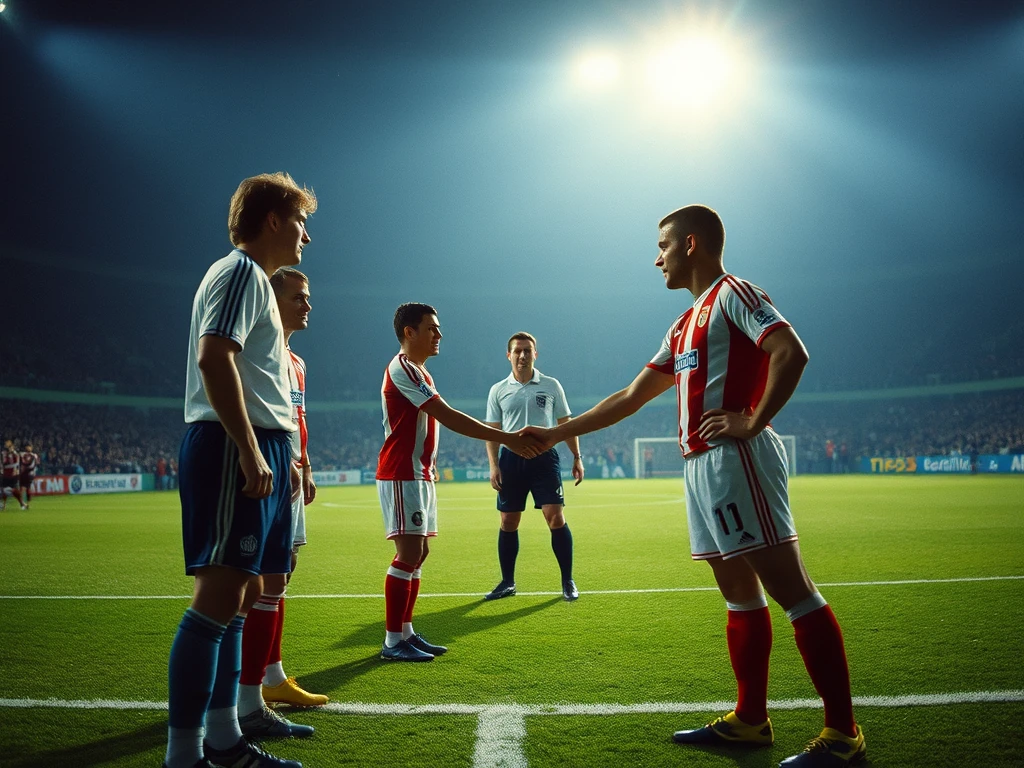

In the 1990s, Cape Verde was undergoing a period of social and political transition, which was also reflected in football. During this time, the national team began to unite around a common identity, and the rise of the Blue Sharks became a representation of this new spirit. In 1994, Cape Verde faced its first major team, Nigeria, in a friendly match that became etched in the memories of fans.
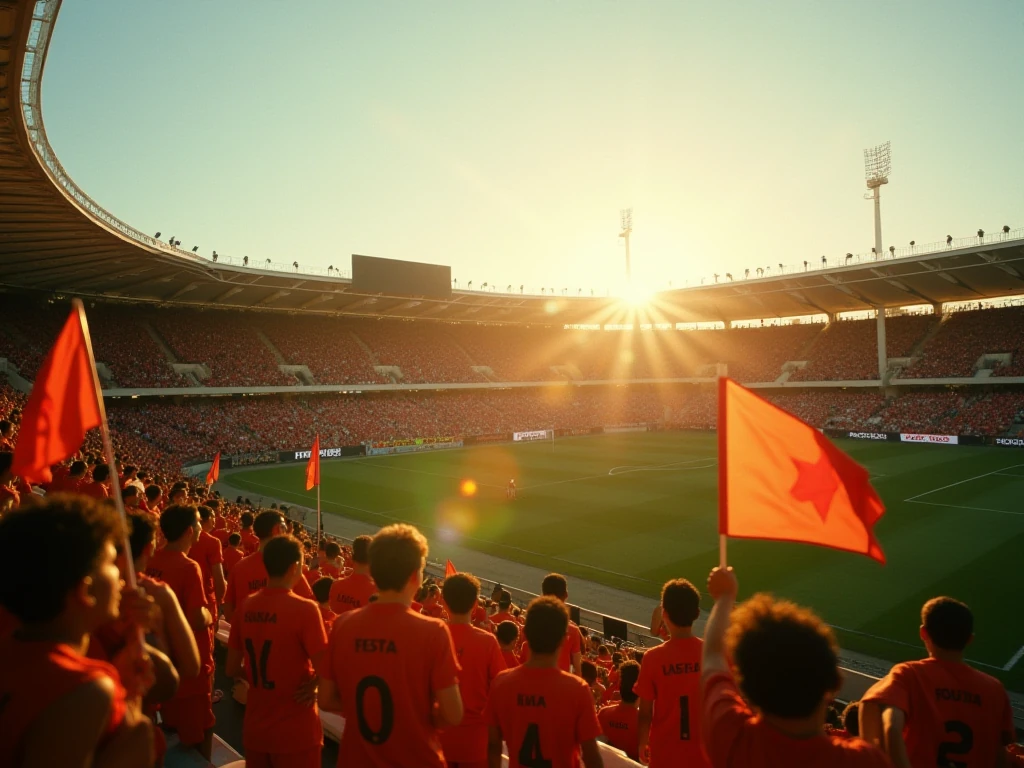
This game not only served as a test for the players but also as a symbol of the ambition and potential of Cape Verdean football. Although the national team did not emerge victorious, the players' performance, displaying grit and determination, left a lasting impression. The match took place in a packed stadium, with fans cheering and supporting the team, a clear sign that football was becoming a fundamental part of national culture.
From that moment on, the national team began to gain momentum, and passion for the Blue Sharks grew exponentially. The popularity of the team expanded beyond the country's borders, with many Cape Verdeans living abroad uniting to support the national team in international competitions. Thus, the team started to be seen not merely as a group of players but as a symbol of national unity and pride.
The journey of the Blue Sharks has been marked by challenges and achievements, but the spirit awakened during that friendly match against Nigeria in 1994 was the catalyst for the football revolution in Cape Verde. This historical moment helped create a solid foundation for future generations of players, inspiring them to dream big and fight for a place on the international football scene.
Today, with participation in the 2026 World Cup, the Blue Sharks have the chance to show the world what Cape Verdean football truly represents. Every dribble, every pass, and every goal will pay tribute to the legacy built since that memorable day in 1994 when the Blue Sharks began to swim in deeper waters on the world football stage.