 Cape Verde Hub
The importance of the challenge
Cape Verde, known as the Blue Sharks, is about to face one of the most respected teams in the world, Spain, in Group H of the 2026 World Cup. This match is not just another game; it's an opportunity for the team to showcase its evolution and competitiveness on the global stage. With a blend of experienced players and young prospects, the Blue Sharks are determined to be protagonists, not mere spectators.
In recent years, Cape Verde has shown steady growth in football, boasting a talent pool that stands out in European leagues. Facing Spain, which has world-class players like Pedri and Alvaro Morata, is a litmus test that could define the future of the national team. This match will be broadcast live at the Los Angeles Stadium on 27 November 2026, a venue that promises an electrifying atmosphere.
Tactical analysis of Cape Verde
The coaching staff, led by manager Bubista, has been working on a tactical approach that aims to leverage the speed and agility of their players. The most used formation is expected to be a 4-3-3, allowing for a solid midfield and a quick attacking line. The idea is to pressure the opponents and exploit the spaces left by a Spanish defense that, while experienced, can be vulnerable.
- Compact defense: The defensive line needs to be organized, with Nélson Semedo and Fernando Varela ready to neutralize the advances of Spanish attackers.
- Dynamic midfield: Ryan Mendes and Jamiro Monteiro are tasked with controlling possession and creating opportunities for the attack.
- Fast attack: With players like Garry Rodrigues, the team should exploit quick counter-attacks to surprise the opposing defense.
This style of play could be key for Cape Verde to compete effectively and perhaps achieve a positive result.
What this means for Cape Verde
Facing Spain in the World Cup is more than just a game; it’s a chance to show that Cape Verde belongs at the highest level of international football. For fans, this represents immense pride. The Blue Sharks have an opportunity to inspire a new generation of players and supporters, reaffirming that the country’s football has evolved and is ready for significant challenges.
Moreover, a strong performance against Spain could lead to increased interest in Cape Verdean players in European leagues. A positive result might even result in increased investment in infrastructure and talent development within the country.
The wider championship picture
As the 2026 World Cup approaches, Group H isn’t just about Cape Verde and Spain. Uruguay and Saudi Arabia are also in contention, making the group one of the most balanced in the tournament. Every match will be crucial, and Cape Verde’s strategy will need to adapt not only to Spain’s style of play but also to the unique characteristics of the other opponents.
Historically, Cape Verde has made headlines by qualifying for the Africa Cup of Nations, but now the ambition is higher. The national team seeks not just to participate but to advance to the knockout stages. A positive result against Spain could be a big step in that direction.
Fan reaction and outlook
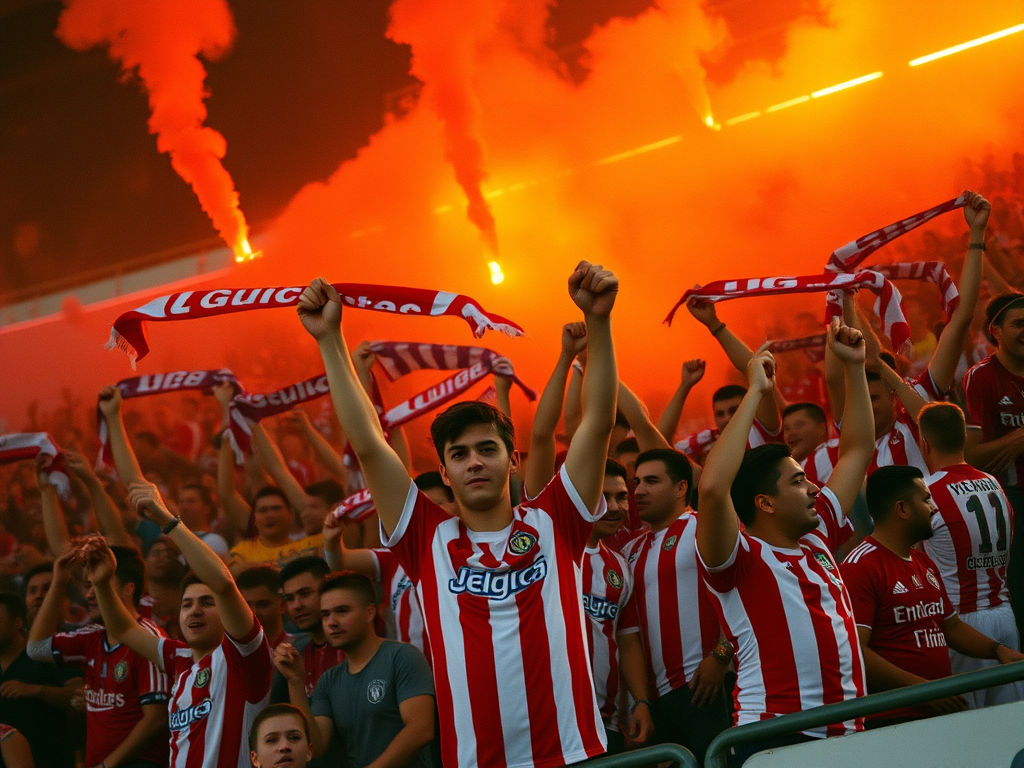
Cape Verdean supporters are eager and optimistic. On social media, the support for the national team is massive, with hashtags like #ForçaTubarões and #CaboVerdeNoMundial dominating conversations. Fans expect the entire country to unite behind their team, creating a festive atmosphere regardless of the result.
- The unity among fans is palpable, with various initiatives to watch the matches together.
- Many supporters are organizing trips to back the team in Los Angeles, showing that love for football transcends borders.
- The national team’s jerseys are a must-have item for all fans, symbolizing unity and national pride.
The counter viewpoint
Critics point out that Cape Verde's experience in international competitions is still limited. Despite a promising squad, the lack of matches against elite teams could be a determining factor. The pressure of facing a team like Spain might pose a psychological challenge that the Blue Sharks have yet to fully encounter. Furthermore, some argue that the squad needs more time to solidify itself as a force in world football.
What’s next
After the clash with Spain, Cape Verde will need to prepare quickly for matches against Uruguay and Saudi Arabia. Each game will be a battle, and the team must learn rapidly from its performances. Fan support will be crucial to motivate the players, and the entire nation awaits more surprises. If the Blue Sharks can exceed expectations, the 2026 World Cup could serve as a showcase for the growth of Cape Verdean football, opening new possibilities for the future.