 Cape Verde Hub
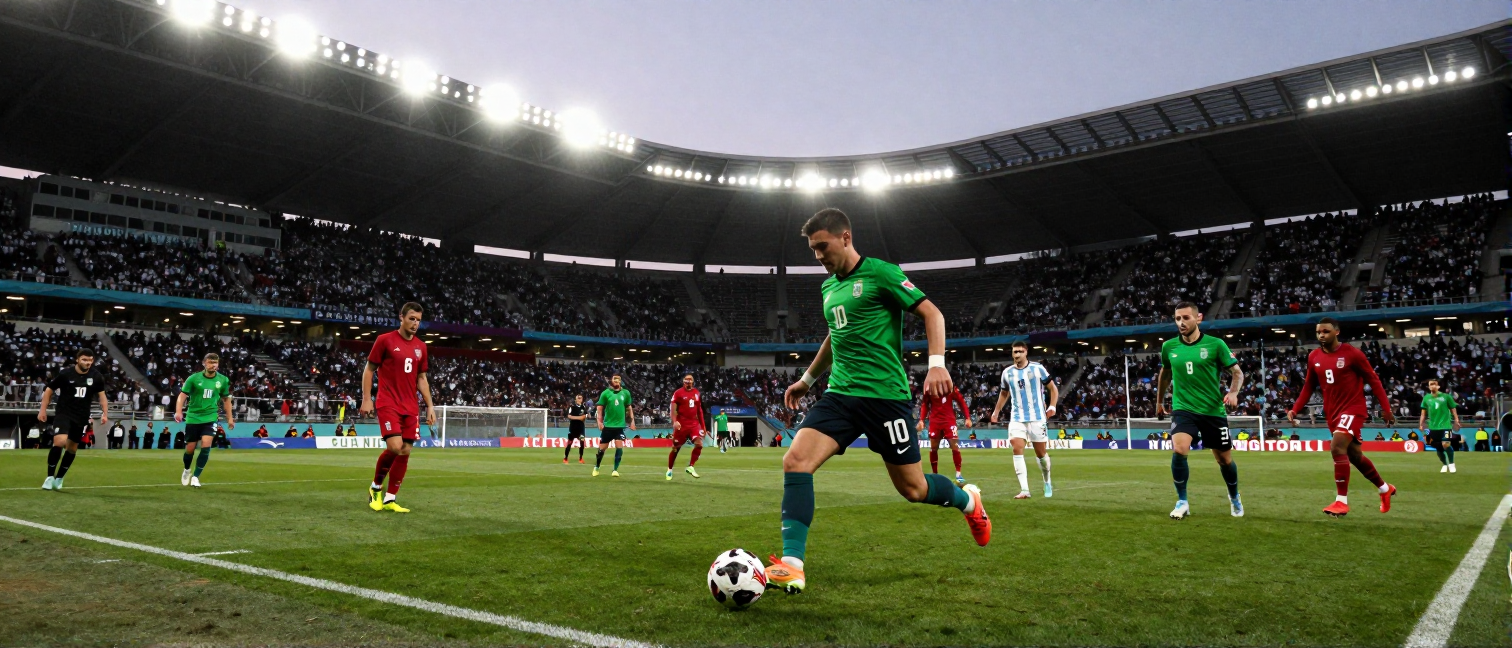
In recent matches, the Tubarões Azuis have displayed a football characterized by solid defense but struggles to convert possession into goals. The team, under the direction of the coach, has employed a 4-3-3 formation which, while promising a dynamic and offensive midfield, often becomes predictable and easy for opponents to neutralize.
One of the main weaknesses is the lack of depth on the flanks. The full-backs' forward runs are limited, and when the wingers fail to make an impact, the team becomes overly reliant on central plays. To address this, a transition to a 3-5-2 system could be beneficial, allowing the full-backs to push up more into the attack while still providing defensive cover.
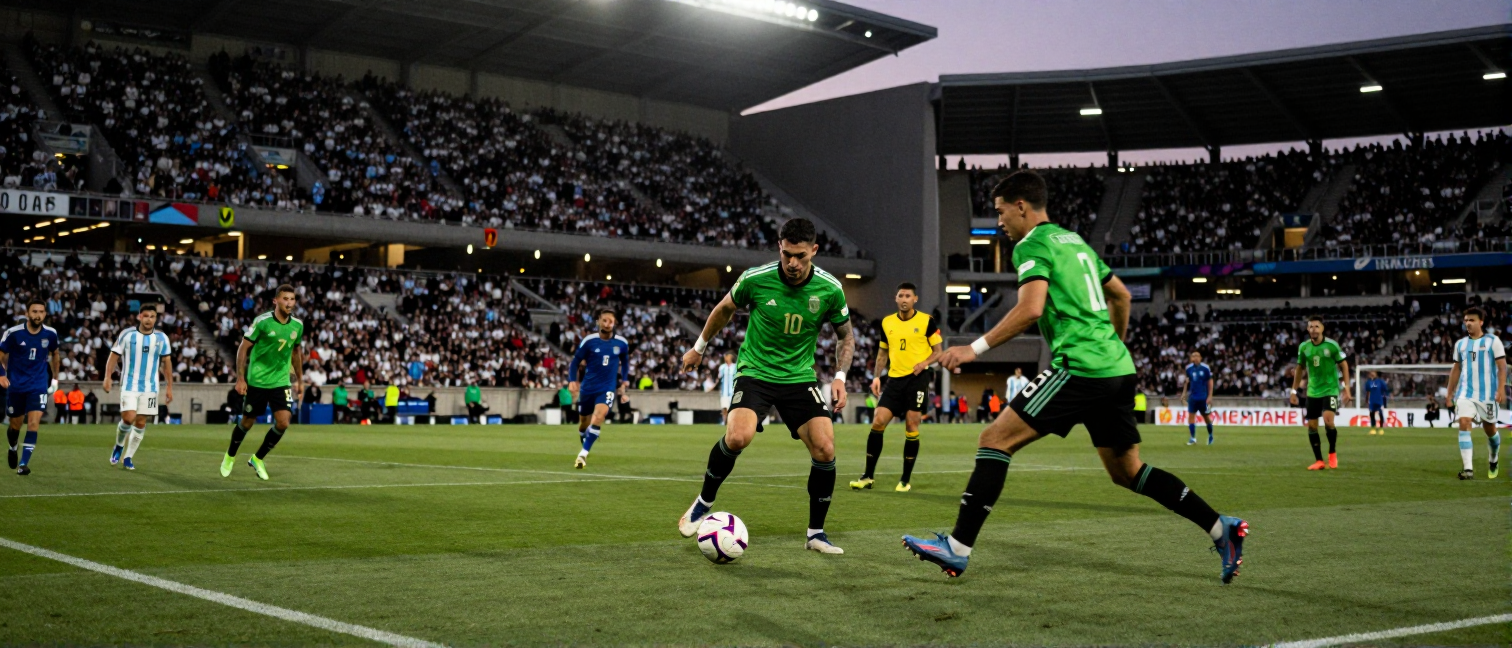
Moreover, integrating young and speedy players like D. Livramento could be crucial. He brings the ability to dribble and create plays in tight spaces, something the team has been missing. Positioning him in a more advanced role could free up central players to focus on creating opportunities.
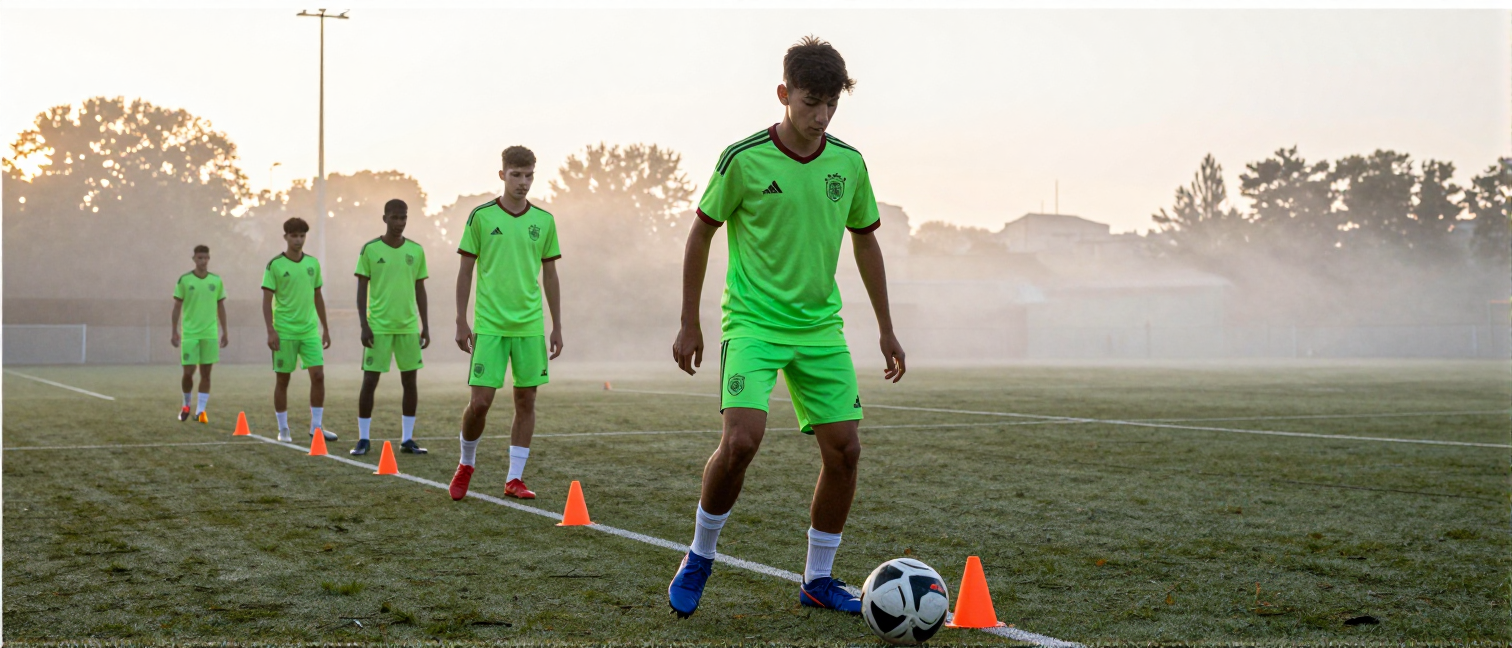
Another issue to be tackled is finishing. Although the team creates good chances, the conversion rate is low. Focusing on specific finishing drills and set-piece plays could boost the attackers' confidence, who are eager to score goals and help the team progress.
Lastly, strengthening the bonds between players and building a collective spirit is essential. Mutual support on the field can lead to better decision-making and greater cohesion during matches, especially in critical moments. The chemistry among players, reinforced by team-building sessions off the field, could be a significant differentiator in the World Cup.
With these adjustments, the Tubarões Azuis can enhance their gameplay and face the challenges ahead, increasing their chances of success in the upcoming World Cup.