 Cape Verde Hub
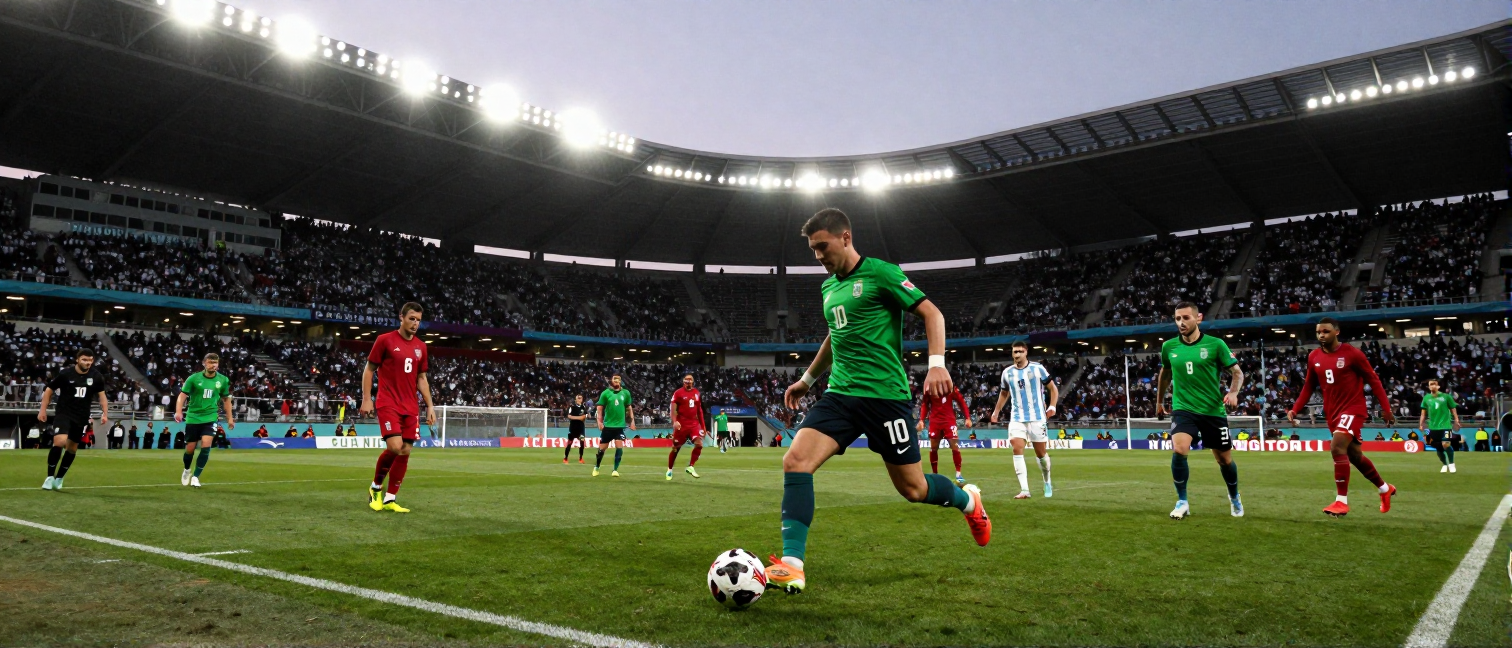
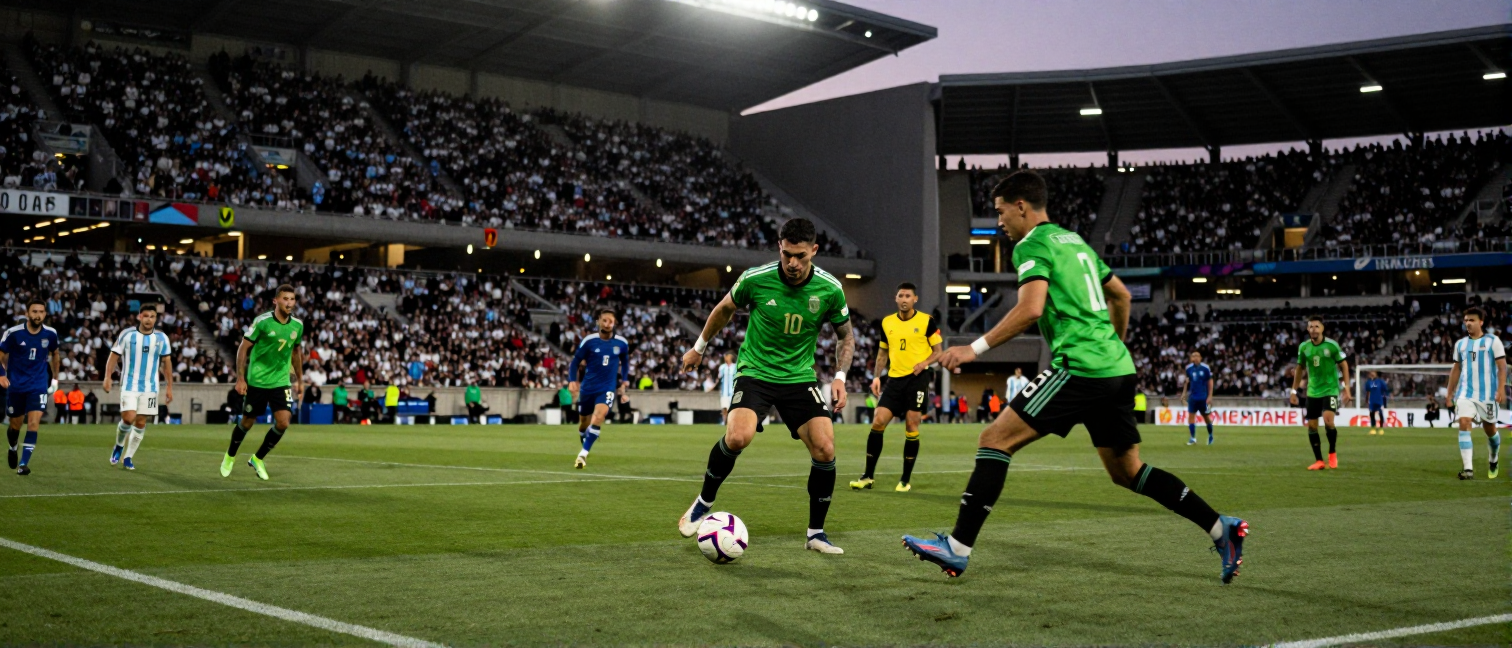
In recent matches, the Blue Sharks have excelled in defensive solidity but have also faced challenges in creating consistent offensive opportunities. The predominant tactical formation, a 4-3-3, has worked well in protecting their defense, but some changes could further enhance attacking fluidity.
Defensive Analysis
In defense, the center-back duo has proven effective, with players like Roberto Lopes and D. Livramento ensuring safety in aerial balls and interceptions. However, the high pressure from opponents has exposed some weaknesses in ball distribution. To address this, it might be worth considering a low-block defensive approach during critical moments, allowing the team to breathe and regroup before initiating the transition to attack.
Midfield
In midfield, the presence of players like Vitor Costa has been crucial. However, the lack of a clear playmaker has limited the team’s ability to break through opponent lines. A suggestion would be to include a player with more vision, who can act as an offensive pivot, facilitating the transition from defense to attack and providing more passing options for the forwards.
Attack and Creativity
Offensively, the team relies heavily on speed on the wings, with D. Livramento and Ryan Mendes being key to stretching the field. However, the current formula often results in predictable plays. Implementing a more dynamic rotation among the attackers could catch opposing defenses off guard. Alternating between a 4-3-3 and a 4-2-3-1 could allow for greater fluidity, with a central midfielder infiltrating defensive lines to create spaces and opportunities.
Conclusion
The tactical evolution of the Blue Sharks reflects their growth as a team. With small adjustments, such as adding a playmaker and a more varied rotation in attack, they can not only solidify their defense but also become a more significant threat on the offensive end. As they approach the 2026 World Cup, these changes could be the key to an even better performance in the tournament.