 Cape Verde Hub
Building History
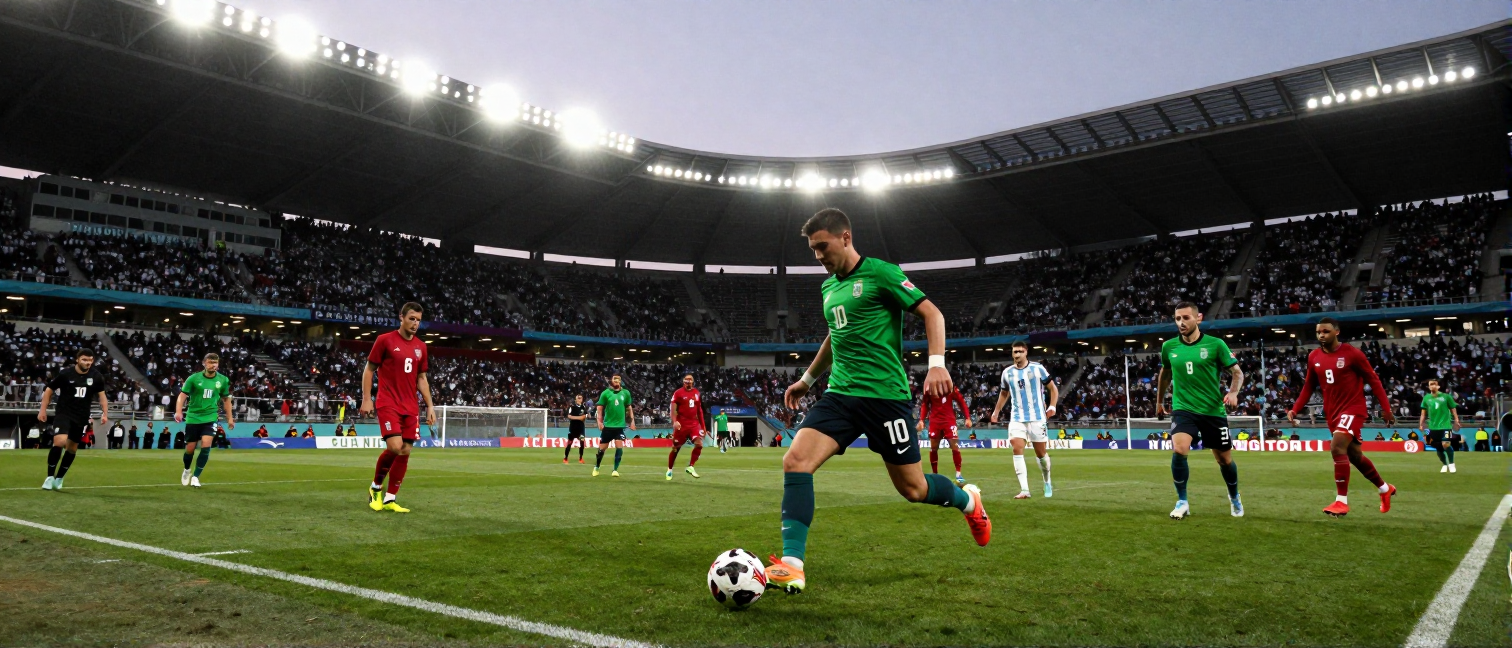
Cape Verde's qualification for the 2026 FIFA World Cup isn't merely a sporting achievement; it's a cultural and social milestone that resonates throughout the archipelago. For years, football has served as a unifying force, and now the Tubarões Azuis are poised to showcase their strength on the world's most important football stage.
The journey to this point has been fraught with challenges, but the team's determination and talent have breathed new hope into fans. Under the guidance of head coach Bertino Ferreira, the national team has overcome adversities to secure their spot, creating a wave of enthusiasm among the over 500,000 Cape Verdeans scattered across the globe.
What to Expect from the Tubarões Azuis
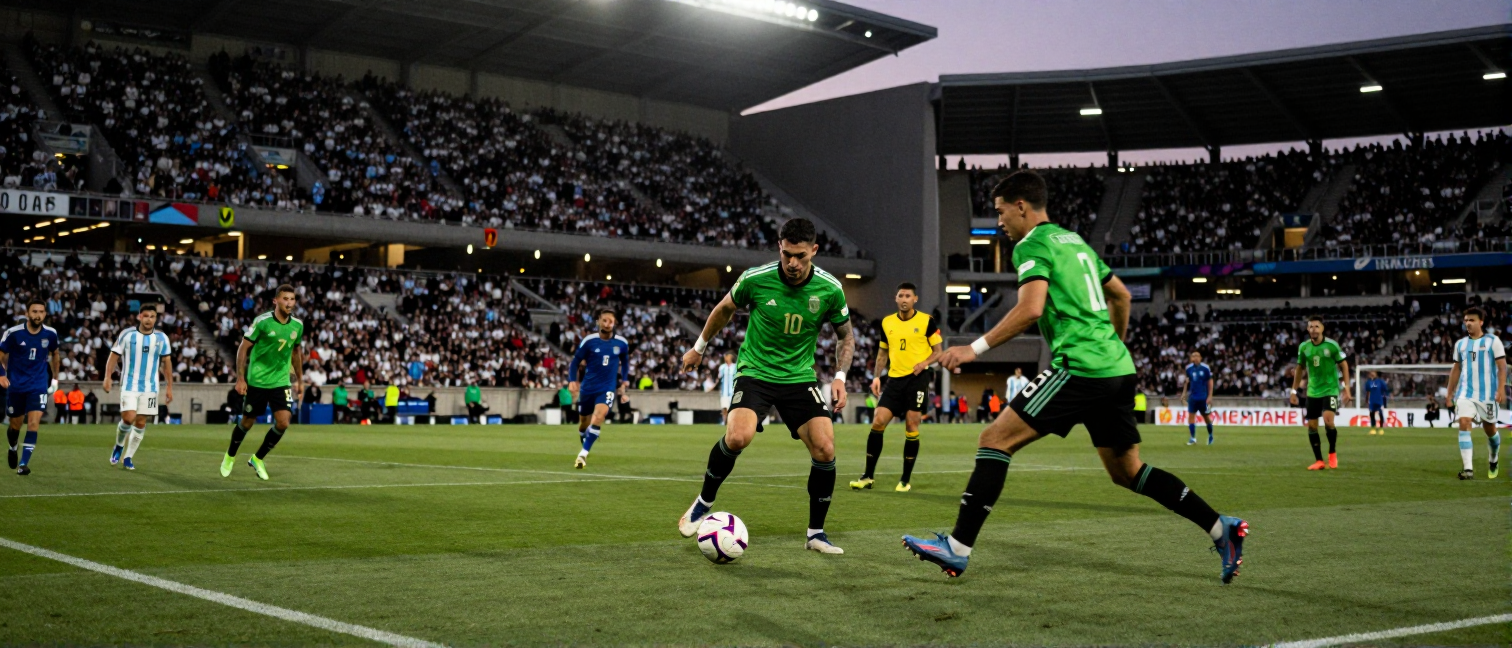
The Tubarões Azuis boast a roster filled with talented players competing in international leagues. Key figures like Ryan Mendes and Djaniny are crucial to the team's attack, while the defense is anchored by players such as Vagner and Fernando Varela. This blend of experience and youth promises to make Cape Verde a potential surprise package in the tournament.
Additionally, the team brings a style of play that combines agility and technique. Ferreira's game plan focuses on a creative midfield capable of destabilizing opposing defenses, a crucial asset against traditional footballing nations.
What This Means for Cape Verde
Qualification for the World Cup is a dream realized for many Cape Verdeans. The national team represents not just the country but also symbolizes the struggle and perseverance of a nation that has always believed in the power of football. For young athletes, this is a living example that great goals can be achieved, even coming from a small nation.
Fans are eager and ready to support the Tubarões Azuis, whether at home or in the stadiums across the USA and Canada. The streets of Cape Verde are adorned with flags, and fans have begun organizing viewing events, showcasing that national spirit is stronger than ever.
The 2026 World Cup Landscape
The 2026 World Cup will be held across three countries: the United States, Canada, and Mexico. This tournament will feature an expanded format with 48 teams and a total of 80 matches, offering a unique platform for emerging teams like Cape Verde. The team's participation will not only elevate the profile of national football but could also inspire a new generation of players.
- 48-team format
- 80 matches in total
- Cape Verde to face strong opponents
- Anticipated growth in local football interest
The Tubarões Azuis will have the opportunity to compete against some of the world's best teams, an opportunity that should not be underestimated. The experience gained in this tournament will be invaluable for future competitions.
Fan Reaction and Outlook
The response from fans has been overwhelming. Since the announcement of qualification, social media has been flooded with messages of support and celebration. Community events are being organized in various cities, featuring screenings of past matches and discussions on expectations for the World Cup.
For many, qualification is more than a sporting achievement; it's an affirmation of identity. Support for the team isn't limited to Cape Verde but extends to Cape Verdean communities worldwide. In the USA, for example, celebrations of support are intense, reflecting the strong connection between the diaspora and the homeland.
What Awaits the Tubarões Azuis at the World Cup
The challenge the Tubarões Azuis will face at the World Cup won't be easy. Critics will argue that the team could be underestimated due to their debut. However, many believe that the lack of pressure could actually benefit the team. The freedom to play without the usual expectations may lead to surprises on the pitch.
The Tubarões Azuis have their opening match scheduled for 21 June 2026, where they will face an opponent yet to be determined. Preparation will be essential, and the team has been working hard to sharpen their tactics and strengthen the bond among players.
What's Next
As the tournament date approaches, anticipation continues to build. The coaching staff and players are focused on preparing the best possible strategy. The mobilization of fans, which has already begun, will be crucial in creating a supportive environment. Cape Verde has already demonstrated that it can compete at a high level; now it's time to show the world what the Tubarões Azuis can achieve.
The 2026 FIFA World Cup isn't just a sporting event; it's a celebration of Cape Verde's culture and resilience. It's an opportunity to shine and leave an indelible mark on football history.