What happened?
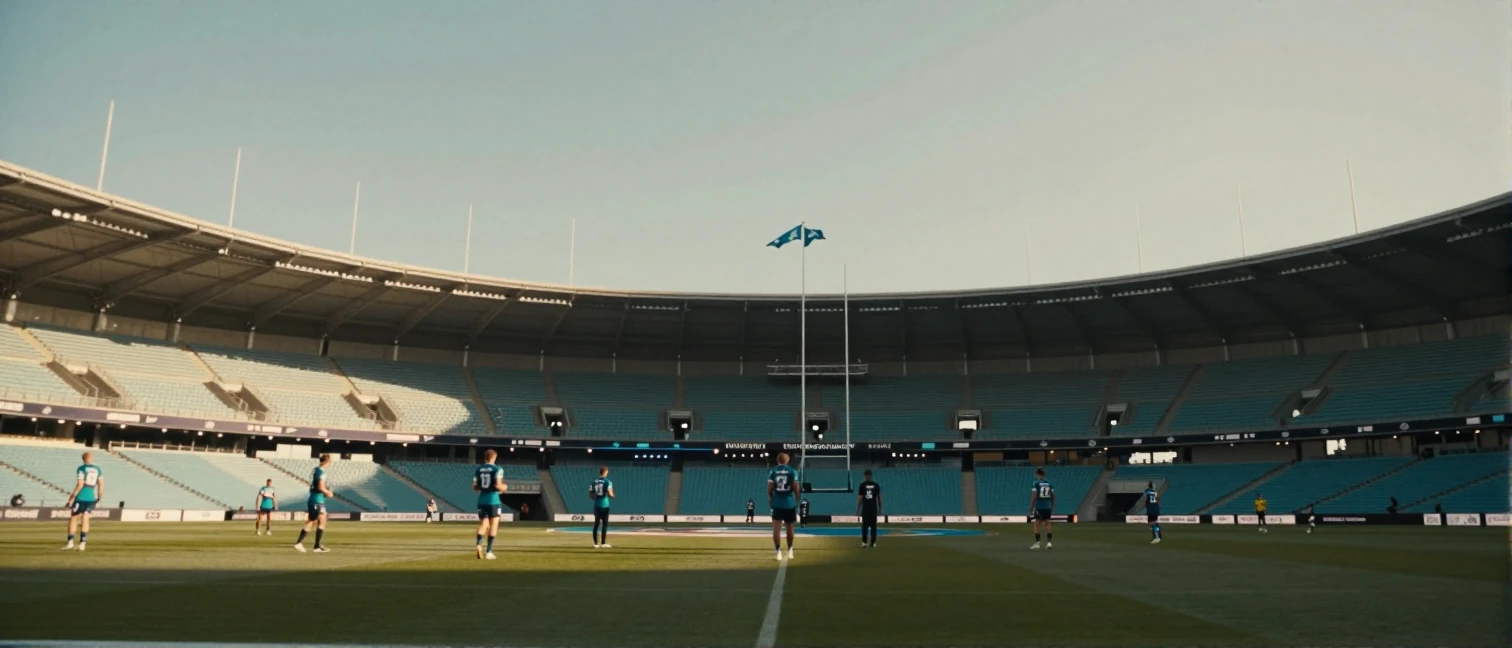
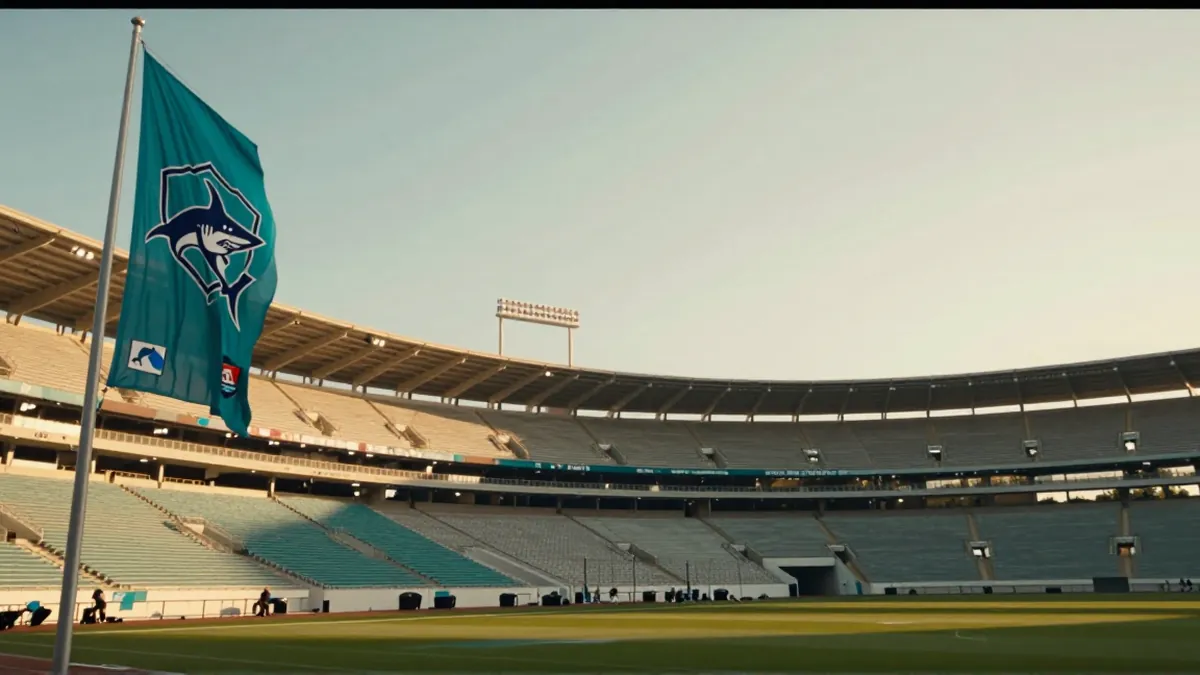
The Cape Verde national team officially unveiled its new blue shark crest this morning, July 5, showcasing a design signed by artist Matthew O'Leary, based in Quincy, Massachusetts. The emblem, blending deep‑blue tones with a sleek shark silhouette, was posted on the federation’s official channels and is already circulating among fans.
Why does the new crest matter for the 2026 World Cup campaign?
The redesign arrives at a critical juncture: Cape Verde is in the final phase of the 2026 World Cup qualifiers. A refreshed badge helps unify the team’s visual identity, strengthening the nation’s presence on the global stage. Moreover, the project was selected through an open contest, allowing the Cabo‑Verde community to take part in the decision.
How was the design chosen?
Matthew O'Leary submitted his proposal in March 2026 after being invited by former international Nelson Nunes, who lives in the United States. The jury-three former national coaches and a federation representative-reviewed 87 entries. The winning design was announced on June 22, earning 42 votes, the highest tally in the contest’s history.
What impact will it have on supporters?
Within 24 hours, the federation’s post gathered over 893 likes and 25 comments, many praising the blend of tradition and modernity. Fans from Mindelo, Praia, and diaspora communities in the U.S. are already sharing the crest on shirts, flags, and social‑media profiles. The buzz is expected to boost merchandise sales, providing extra funding for the team’s World Cup preparations.
What’s next?
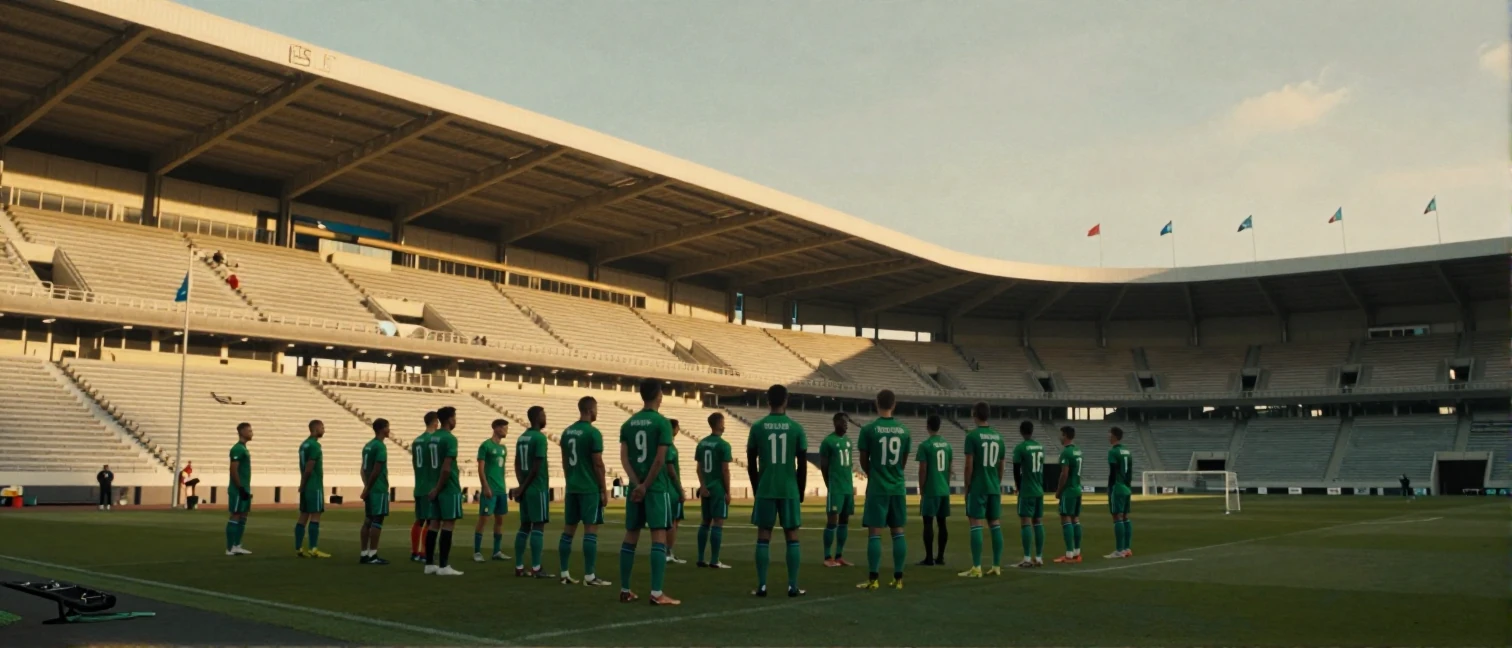
The federation plans to launch the new official kit featuring the crest in September, ahead of the first friendly against Guinea‑Bissau on October 12. Meanwhile, head coach Jorge Costa has already incorporated the badge into video‑tactic presentations, reinforcing visual identity at every training session. The aim is to turn the crest into a lucky charm for the World Cup run.
Who originated the idea?
The original concept came from Alexandre Silva, the federation’s communications director, who visited a design studio in Quincy and saw O'Leary’s work. He then proposed an open competition, ensuring the project was “made here, but imagined for Cape Verde.” This transatlantic collaboration shows how the diaspora can shape the nation’s sporting future.