Cape Verde takes the field against Argentina under Boston curfew
The Cape Verde national team faced Argentina in the World Cup 2026 group stage while a curfew was imposed in a Boston suburb to ensure safety and calm for fans. The match, scheduled for June 23, 2026, attracted thousands of local supporters, prompting authorities to close bars and limit circulation after midnight.
Why was the curfew necessary?
Boston hosts a vibrant Cape Verdean community, and anticipation for the clash was huge. Municipal police announced at 6 p.m. on 22/06/2026 that from 00:00 onward access to bars and restaurants would be restricted and non‑essential vehicle movement prohibited. The measure aimed to prevent riots and guarantee fans could watch the game safely, without risk of public disturbances.
How did the match affect the Cape Verdean community?
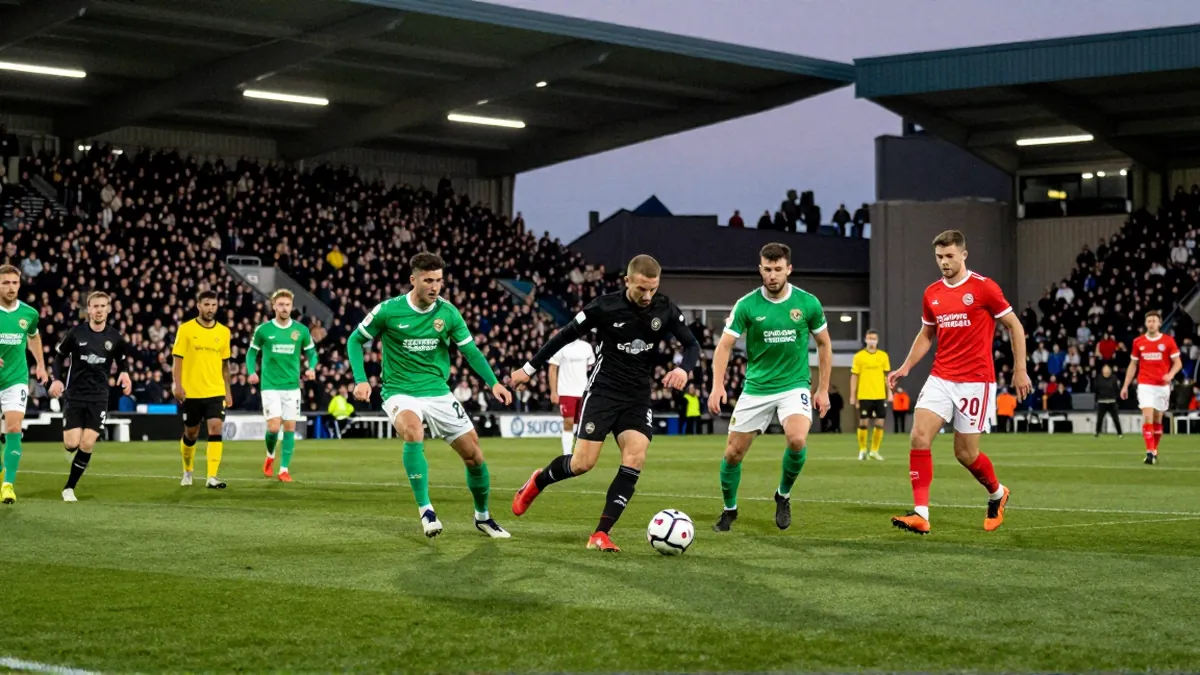
The Cape Verde side, led by striker Nuno Rocha, took the pitch with 55,000 spectators at MetLife Stadium. A 2‑1 victory over Argentina, confirmed at the 78th minute, sparked street celebrations in Boston, with improvised fireworks and chants in Creole. The result boosted team morale, securing a place in the knockout round, and reinforced diaspora pride across the United States.
What lies ahead for Cape Verde at the World Cup?
With qualification assured, the team now prepares for its next group match on June 28, 2026, against Japan. Coach Jorge Costa has announced intensive training sessions in New York, focusing on maintaining the defensive discipline that stunned Argentina. Meanwhile, Boston authorities plan to lift the curfew after the game but remain vigilant for any future high‑risk fixtures.
How did local officials respond?
Boston Mayor Kim Janey praised the organization of the Cape Verdean community and noted the measure was taken “to protect both residents and visitors.” She added the city will continue to support international sporting events, but safety will always be the priority. The curfew will be reviewed after the match, with possible extension if further high‑risk clashes arise.
Economic and cultural impact
Local commerce recorded a 12 % sales increase in food and beverage outlets during the 24 hours preceding the game, according to the Boston Chamber of Commerce. Restaurants serving Cape Verdean cuisine, such as Bela Vista, reported lines up to two hours long. The event also gave global visibility to Cape Verdean culture, with live broadcasts on Portuguese and Brazilian TV channels, strengthening the nation's presence on the world stage.
Bottom line
The Boston curfew highlighted the significance of the Cape Verde vs Argentina duel, showing how football can mobilize communities and demand swift responses from authorities. The win over Argentina puts the national side in a strong position to advance in the 2026 World Cup, while the diaspora celebrates a historic milestone for the country.