The Football Revolution
Cape Verde stunned the world at the 2026 World Cup, with 200,000 people celebrating in the capital Praia. The team, nicknamed the Blue Sharks, was eliminated by Argentina 3-2 after 120 minutes of play.
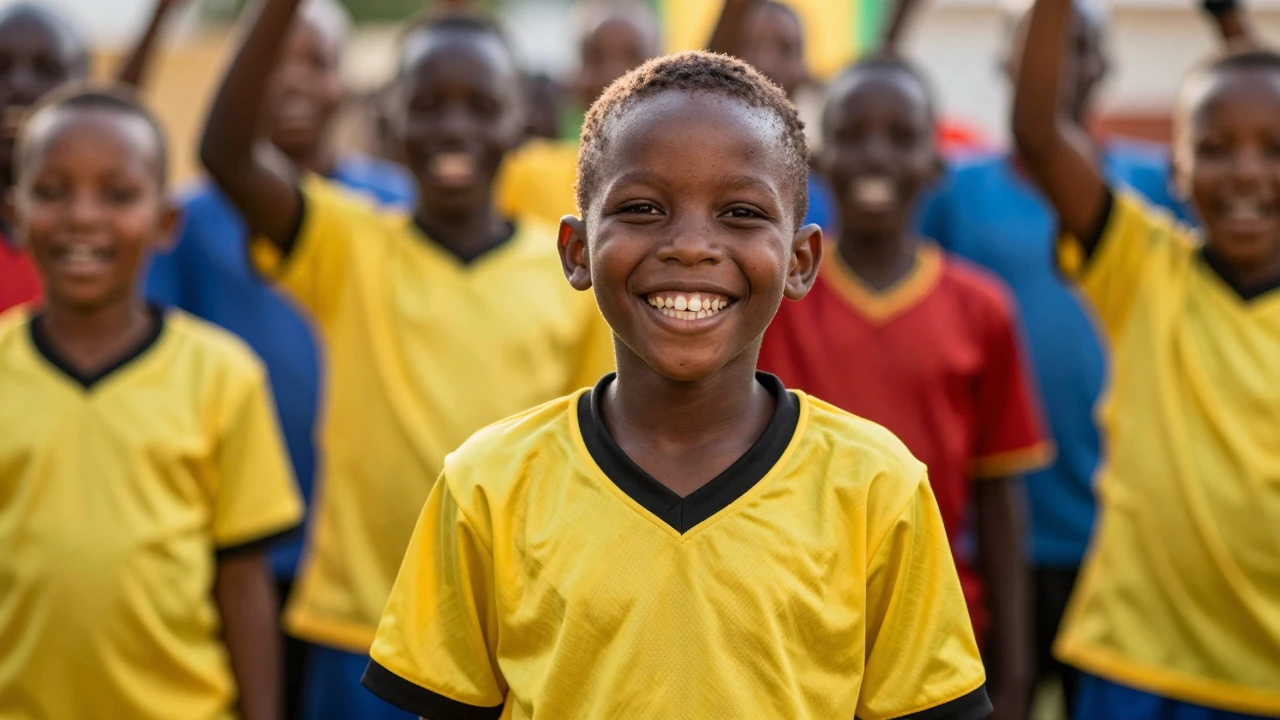
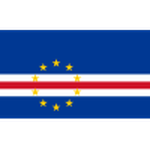
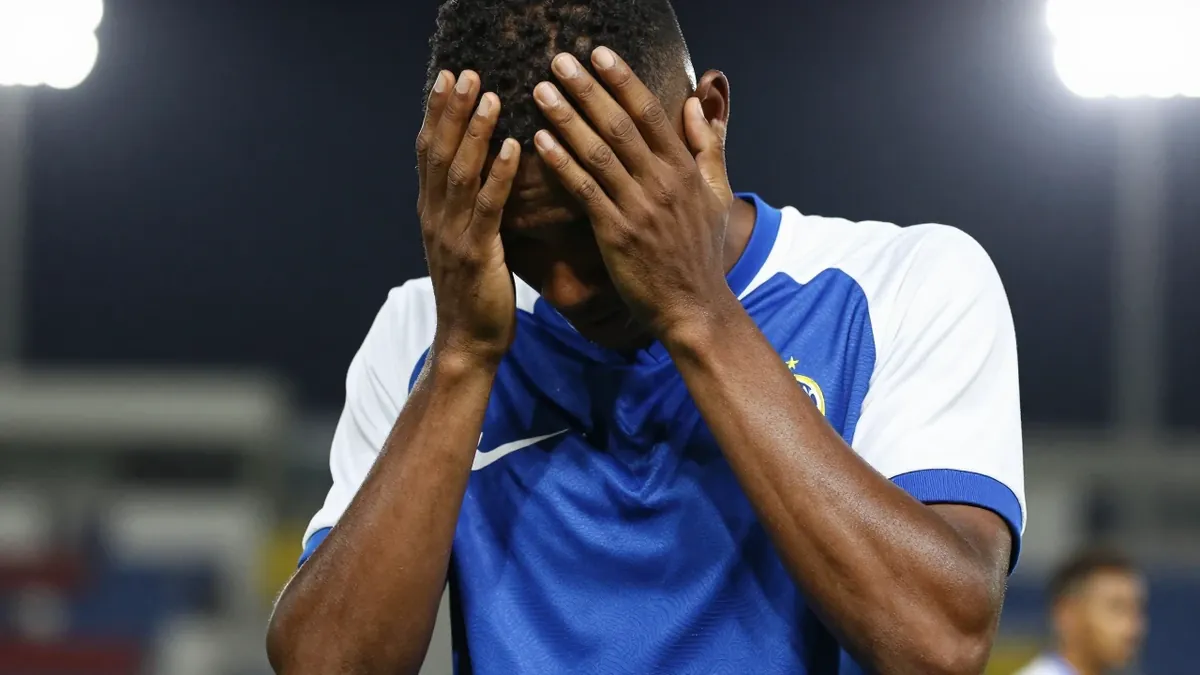
During four days in Praia, the capital of Santiago Island, football pulses in the streets, shops, and beaches. The national team jersey became a sacred mantle, worn by men, women, children, and the elderly. Banks, shops, music museums, and even lifeguards wear the blue and wine of the number 3 jersey, a symbol of national pride.
The name “Blue Sharks” originated from Atlantic marine fauna, honoring the blue shark that inhabits the crystal-clear waters of the archipelago. The team, debuting in a World Cup, faced Spain, Uruguay, and Saudi Arabia in the group, securing a guaranteed spot.
The Team’s Celebration
Upon returning from the World Cup, more than 200,000 people took the streets of the capital in a celebration that became the largest gathering ever seen in Cape Verde. The team paraded in an open car under a sea of flags, with local drums and cries of pride.
Although they did not win trophies, the team left an indelible mark. The match against Argentina was marked by two goals against Messi, almost a winning goal, and 120 minutes of pure bravery. Messi left exhausted, acknowledging the strength of the Blue Sharks.
The Legacy of Vozinha
Josimar José Évora Dias, known as Vozinha, is 40 years old and was a standout in the tournament. Before the World Cup, he played for Chaves, a second-division Portuguese club. After the World Cup, he was signed by Colo-Colo, a traditional Chilean club.
Vozinha, whose nickname originated in childhood, became a giant who stopped Spain with a monumental performance in the 0-0 group stage. His story exemplifies how football can unite identity and passion.
The fever for the Blue Sharks jerseys did not start only after the match against Argentina; the wave began before the debut, and the World Cup amplified this energy to an indescribable power.
He will talk about Cachupa, Morabeza, and the feeling of being cretcheu on the island.