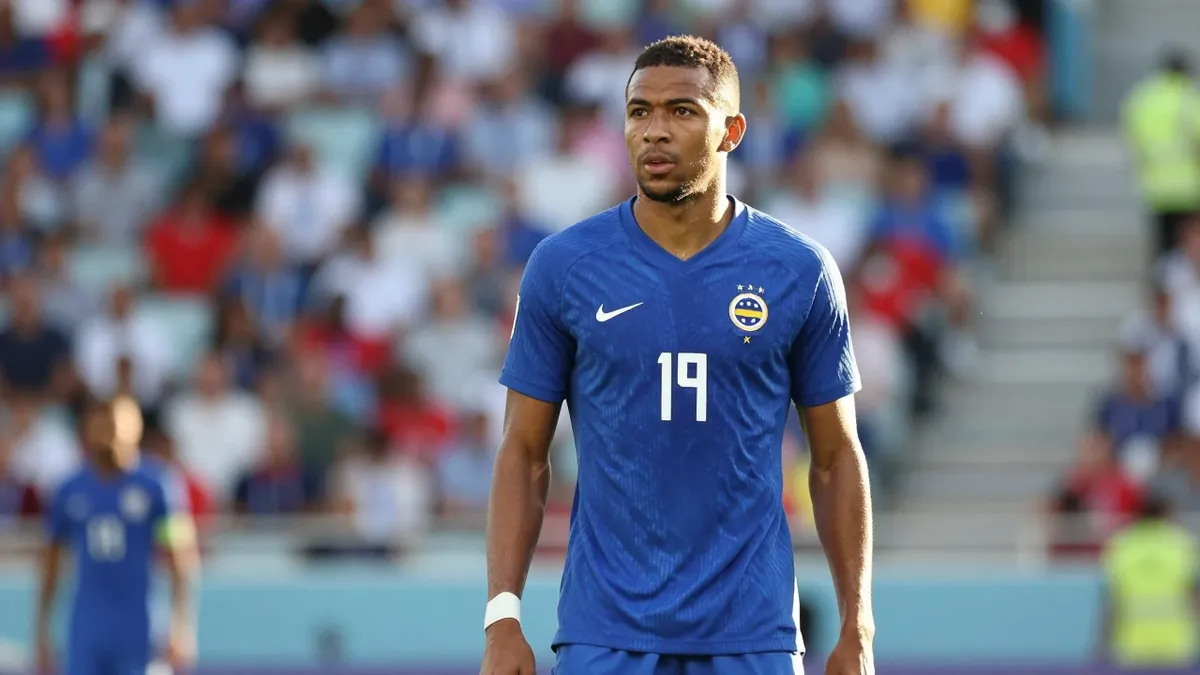
Cape Verde's national team captured the world's imagination during its first-ever FIFA World Cup, and the impact stretches far beyond the pitch. The historic campaign, which ended in the round of 32 in North America, has turned the small archipelago into a coveted destination for millions, raising urgent questions about its readiness for the global spotlight. The original report was published by The Mercury this week via the BLOX Digital Content Exchange.
Cape Verde was one of the smallest nations competing at the 2026 World Cup. Its presence and spirited performance, which can be reviewed in our stats, catapulted the country into the international spotlight. Millions of people worldwide searched for where Cape Verde is and how to visit it after the tournament. This surge in interest represents an unprecedented tourism opportunity for the islands, which traditionally rely on this sector. The report's accompanying photo, of a cruise ship in Mindelo harbour on São Vicente, illustrates this growing reality.
The sudden spike in demand places direct pressure on local infrastructure and the economy. The report specifically mentions the island of Sal, a key tourist hub, and the travel logistics challenges to the archipelago. Organizations like the World Bank Group and the International Finance Corporation already monitor the cost of living and development in Cape Verde. The core question is whether hotel capacity, transport, and services can accommodate a sustained influx of visitors without harming residents' quality of life or the tourist experience.
The national team's performance in official competitions is a key indicator of the interest generated. The table below shows Cape Verde's recent trajectory, contextualizing its 2026 World Cup participation.
| Competition | Year | Stage Reached |
|---|---|---|
| Africa Cup of Nations | 2025 | Quarter-finals |
| World Cup Qualifying | 2023-2025 | Qualification (Group winners) |
| FIFA World Cup | 2026 | Round of 32 |
| Africa Cup of Nations | 2027 (Qual.) | In progress |
This data, also available on our standings page for ongoing competitions, shows a team on the rise. Sporting success has created a unique window of opportunity. The current squad that achieved this feat can be viewed in our squad section.
The immediate challenge for Cape Verde is to capitalize on the positive momentum intelligently. This means investing in infrastructure sustainably, managing price expectations, and ensuring tourism growth benefits the entire population. The World Cup proved Cape Verde can compete with the best on the sporting stage. Now, the country faces a different test: turning global recognition into lasting, balanced economic development without losing the identity that captivated the world.